Respite Care in Monroeville: Short Stays That Give Caregivers a Break
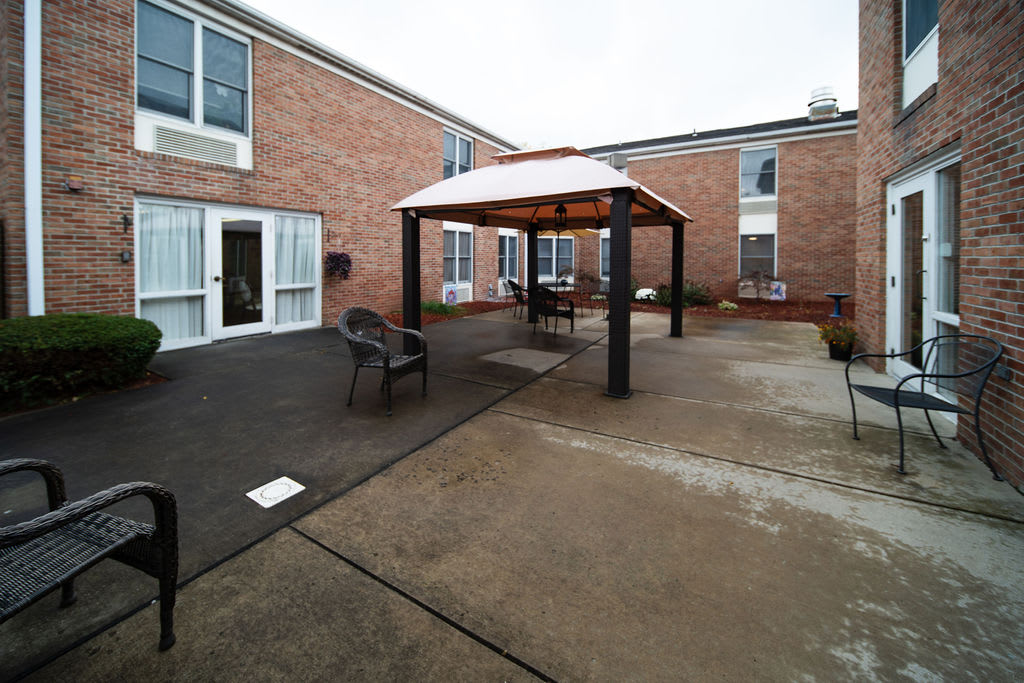
Caring for a parent or spouse at home can be deeply meaningful. It can also be exhausting. Many Monroeville caregivers go months or years without a real break, managing medications, meals, appointments, and nights of interrupted sleep while also working and raising families. Respite care offers a planned pause: a short stay in a supportive setting where your loved one is cared for while you rest, travel, recover from your own illness, or simply catch your breath.
What respite care is
Respite care is short-term care that temporarily relieves a family caregiver. It can happen at home, at an adult day program, or through a short stay in a residential setting such as a personal care home. This guide focuses on residential respite, where your loved one stays in a furnished room, eats meals with other residents, and receives help with daily care for a set period.
Respite stays are commonly used:
- When a caregiver needs a vacation, a family event, or simply rest
- When a caregiver is having surgery or is ill
- After a hospital discharge, when a person needs more help for a few weeks before returning home
- As a trial stay, to see how a person adjusts to community living before a longer move
- During winter, when snow, ice, and short days make caregiving at home harder
What a respite stay usually includes
In a personal care setting, a respite guest typically receives the same type of support as long-term residents, for the length of the stay:
- A furnished room
- Three meals a day and snacks
- Help with bathing, dressing, grooming, and toileting
- Medication assistance
- Housekeeping and laundry
- Activities and social time
- Staff available day and night
Pennsylvania DHS describes personal care homes as residences that provide shelter, meals, supervision, and help with personal care tasks for people who do not need 24-hour nursing care (Pennsylvania DHS, Personal Care Homes and Assisted Living Residences). A respite guest still needs to fit within what the home is licensed to provide.
What respite costs
There is no published Monroeville or Pittsburgh-area survey figure for residential respite stays. Communities usually charge a daily rate, sometimes with a minimum stay, and the rate often reflects the level of care needed. For context, CareScout's 2025 survey reports a Pittsburgh-area median of $5,641 a month for assisted living and $36 an hour for a home health aide (CareScout Cost of Care tool). A respite day rate is not simply the monthly rate divided by 30, so ask each community for its current short-term pricing.
Ways to help pay for respite
Pennsylvania's Caregiver Support Program
The Pennsylvania Department of Aging's Caregiver Support Program, run through local Area Agencies on Aging, offers respite care, support services, and financial reimbursement for caregiving costs. Each caregiver is assigned a care manager who assesses the caregiver's needs and develops a plan of care. The program's maximum monthly reimbursement is $600, based on the caregiver's calculated reimbursement percentage (Pennsylvania Department of Aging, Caregiver Support Program). In Allegheny County, contact SeniorLine to ask about eligibility.
Medicare hospice respite
For people enrolled in Medicare hospice, Medicare can cover inpatient respite care in a Medicare-approved facility so the caregiver can rest, generally for up to five days at a time, with a small coinsurance (Medicare, hospice care). Hospice respite must be arranged through the hospice provider, and the facility must be one the hospice approves.
VA respite care
VA's respite program pays for short-term care for enrolled veterans who need help with daily activities, through a home health aide, an adult day health care program, or a short nursing home stay in a VA Community Living Center or community nursing home (VA Geriatrics and Extended Care, Respite Care). VA respite does not list personal care homes as a setting, so ask the VA Pittsburgh social work team which options apply.
Long-term care insurance
Some long-term care insurance policies include a respite benefit, sometimes with no elimination period. Check the policy or call the insurer.
Planning a respite stay
A little preparation makes the stay smoother for everyone.
- Book early. Short-term rooms may be limited, especially around holidays and summer.
- Share health information. Provide a current medication list, physician contacts, allergies, and any recent hospital discharge papers. Personal care homes generally require a medical evaluation before admission.
- Describe routines. Tell staff about wake-up and bedtime habits, favorite foods, hobbies, and what helps your loved one feel calm.
- Pack familiar things. Photos, a favorite blanket, and comfortable clothes help a room feel like home.
- Plan your contact. Decide how often you will call or visit, and how staff will update you.
- Take the break. Use the time to rest. It can be tempting to visit every day, but the goal is to let you recover.
Respite for a loved one living with dementia
For people living with dementia, a new setting can be confusing at first. Shorter first stays, a familiar object or two, and clear information about routines can help. If your loved one needs a secure setting, ask whether the community's memory care can host respite guests. Our guide to assisted living vs. memory care in Monroeville explains how the two settings differ.
Respite as a trial run
Many families use a respite stay to test whether community living might work longer term. It lets your loved one experience meals, activities, and daily support without a long-term commitment. Afterward, ask your loved one what they liked and what they missed about home, and ask staff what they observed. If the stay goes well, our guide to choosing a personal care home in Monroeville can help with next steps.
Caring for the caregiver
Caregiver burnout is real. Signs include constant fatigue, trouble sleeping, irritability, getting sick more often, and withdrawing from friends. Respite is not a luxury. It helps many caregivers keep going, and it benefits the person receiving care, too. The Allegheny County Area Agency on Aging's SeniorLine, 412-350-5460 or 1-800-344-4319, offers support for caregivers and help with in-home services (Allegheny County SeniorLine).
Questions to ask about respite
- Do you offer short-term stays, and is there a minimum or maximum length?
- What is the daily rate, and what does it include?
- What paperwork and medical evaluation do you need before arrival?
- Can respite guests join activities and outings?
- How will staff update the family during the stay?
- Can memory care host respite guests?
Talk with Independence Court
Independence Court of Monroeville offers respite care for caregiver relief, support after a hospital discharge, and trial stays before a longer move. Respite guests receive the same attentive support as our personal care residents, with meals and activities. Availability and rates vary, so please call (412) 372-9022 to ask about current short-term stay options.
Frequently asked questions
What is respite care?
Respite care is short-term care that gives family caregivers a break. In a personal care setting, it includes a furnished room, meals, help with daily care, and activities.
How much does respite care cost in Monroeville?
There is no published local figure. Communities usually charge a daily rate based on care needs. Call each community for current pricing.
Does Medicare pay for respite care?
Only for people enrolled in Medicare hospice, who may receive inpatient respite for up to five days at a time in an approved facility.
Can Pennsylvania's Caregiver Support Program help pay for respite?
Yes, for eligible caregivers. The program, run by local Area Agencies on Aging, offers respite and reimbursement of up to $600 a month based on a calculated percentage.